The architectures of shared ownership, shared governance, and shared upside
Why this gathering
The ownership economy is bigger than startup equity and founder exits. It now spans mission-preserving transitions, employee ownership, onchain governance, community energy, land stewardship, policy innovation, community-controlled finance, and ownership-lens investing across multiple asset classes.
Agenda at a glance
Agenda at a glance
Parallel Ideas and Technique sessions are grouped side by side. Select a session to expand its description and speaker details.
Registration, coffee, and curated networking
Welcome and Lessons from ECOSYSTEM Summit in Europe - How the World is Approaching Ownership
A concise frame for the day and a broader definition of the ownership economy.
Stability, control and upside: A plenary on corporate forms, ownership and the future of wealth creation
This panel explores the landscape of ownership design innovation and how different institutional forms can optimize for giving workers, users, and communities a real stake in the value they create.
 Jason WienerFounding Partner & President, Jason Wiener P.C.
 Jahed MomandCo-founder and General Partner, Cerulean Ventures
 Yev MuchnikSenior of Counsel, Jason Wiener P.C. Web3 Lawyer. Legal and Tech Futurist.
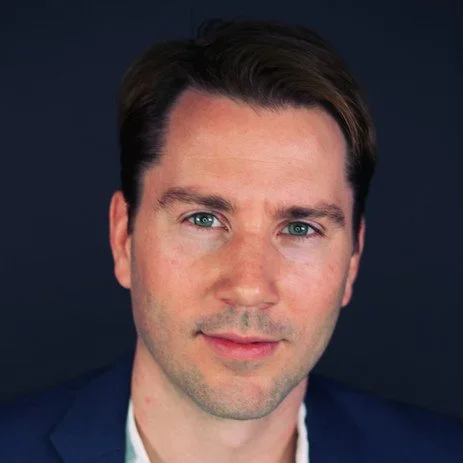 Martin SmithCEO and Co-Founder of CommonShare
Federation, Data Sovereignty and Interoperability: What U.S. Manufacturing Can Learn from Europe
America's manufacturing debate often focuses on reshoring, labor costs, tariffs, and subsidies. But Europe's Manufacturing 4.0 efforts point to a deeper question: who controls the data, standards, and digital infrastructure that make modern industry competitive?
From EU data spaces to Catena-X in automotive and Manufacturing-X in Germany, Europe is experimenting with federated systems that let companies share data securely without giving up control. This panel asks whether America's manufacturing gap is really an infrastructure gap - and whether trusted digital rails could help manufacturers, suppliers, workers, and SMEs compete in the next industrial era.
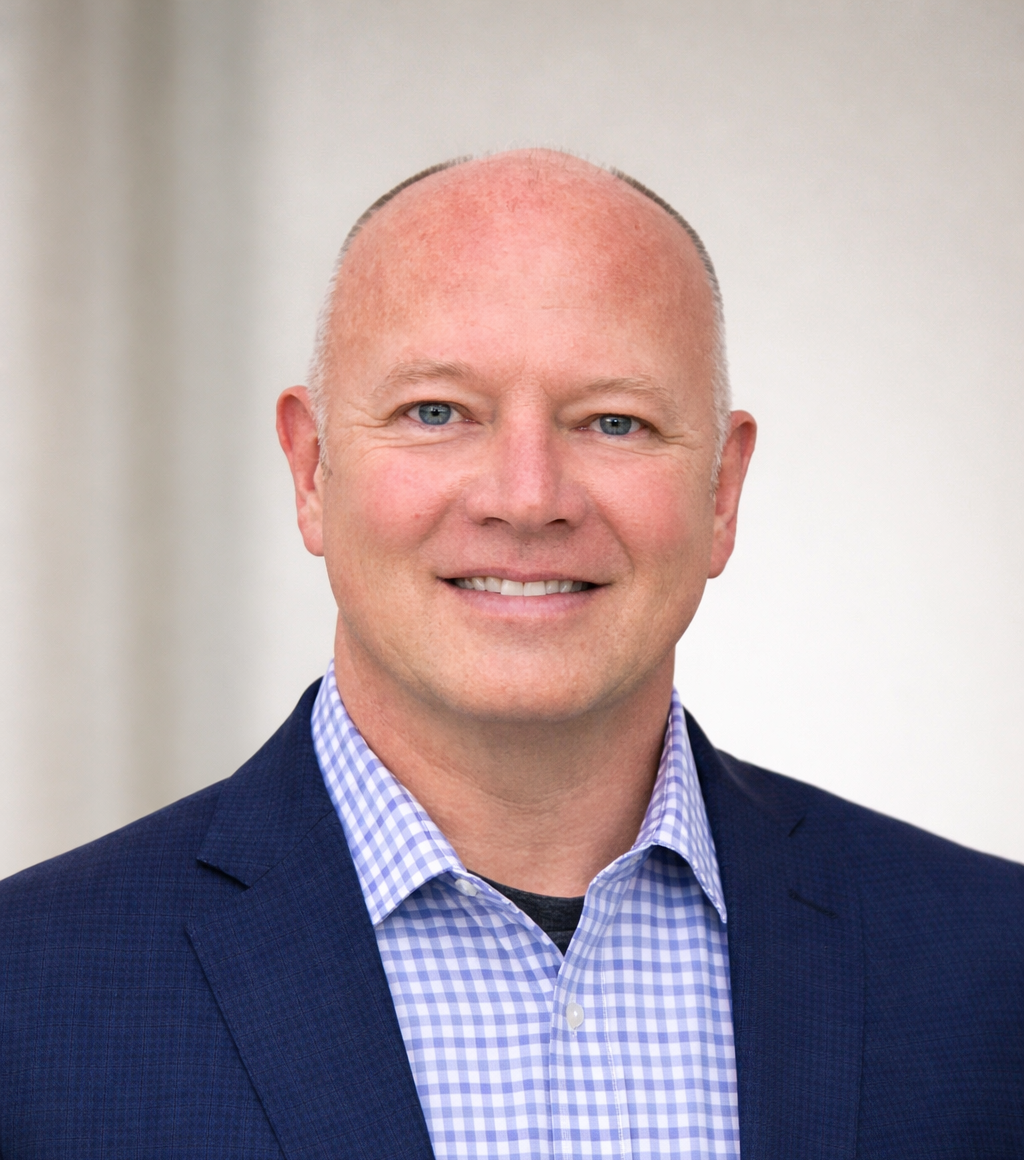 John DyckCEO, CESMII – The Smart Manufacturing Institute
Building a Meaningful Culture of Ownership
The conversation will examine how employee ownership can strengthen an already healthy workplace or provide a foundation for cultural renewal—but only when leaders intentionally embed ownership into everyday operations, from how information is shared and decisions are made to how employees understand their role in creating value. Drawing on Ownership Works’ four pillars of ownership culture—sharing knowledge, sharing responsibility, showing care, and reinforcing ownership through company processes—Anna-Lisa will discuss how organizations can move employee ownership beyond a financial program and make it a lived experience in which employees feel informed, respected, connected to the business, and included in the success they help create.
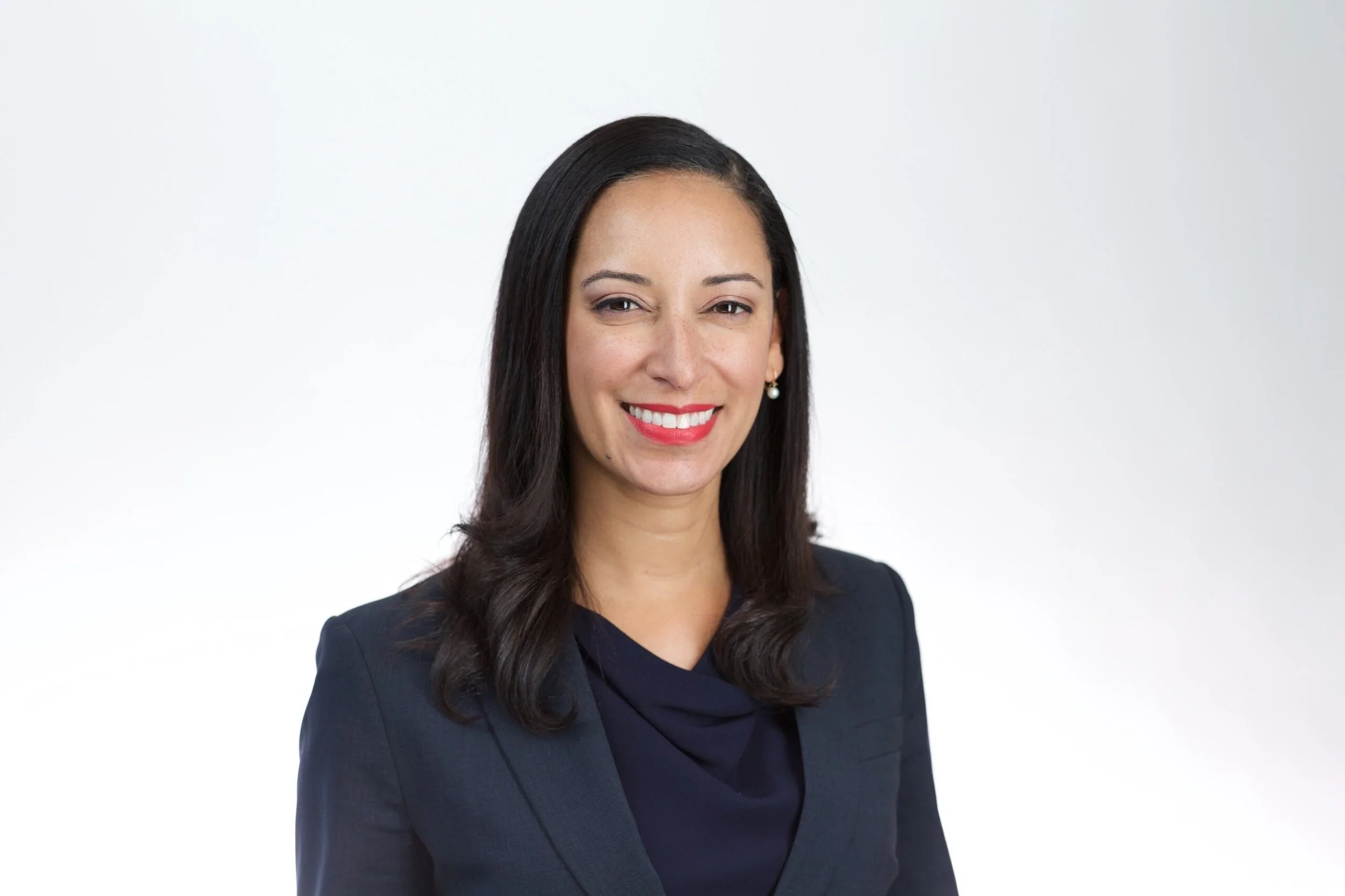 Anna-Lisa MillerExecutive Director, Ownership Works
Morning networking break
Morning sessions — choose your track
Ideas and Technique sessions run simultaneously in Rooms A and B.
Ideas Track
11:15AM–1:00PM11:15 – 12:00IdeasBuilding Local Ecosystems for Employee OwnershipWith Matthew Epperson, Andrea Steffes-Tuttle, Rachel Merfalen, Illa Burbank
This panel explores how place-based leaders are embedding employee ownership into local economic development, workforce, funding, and community systems. Drawing on work in Colorado, Tennessee, North Carolina, and Georgia, practitioners will share how durable local ecosystems can make employee ownership a familiar, scalable strategy for building a more resilient and equitable economy.
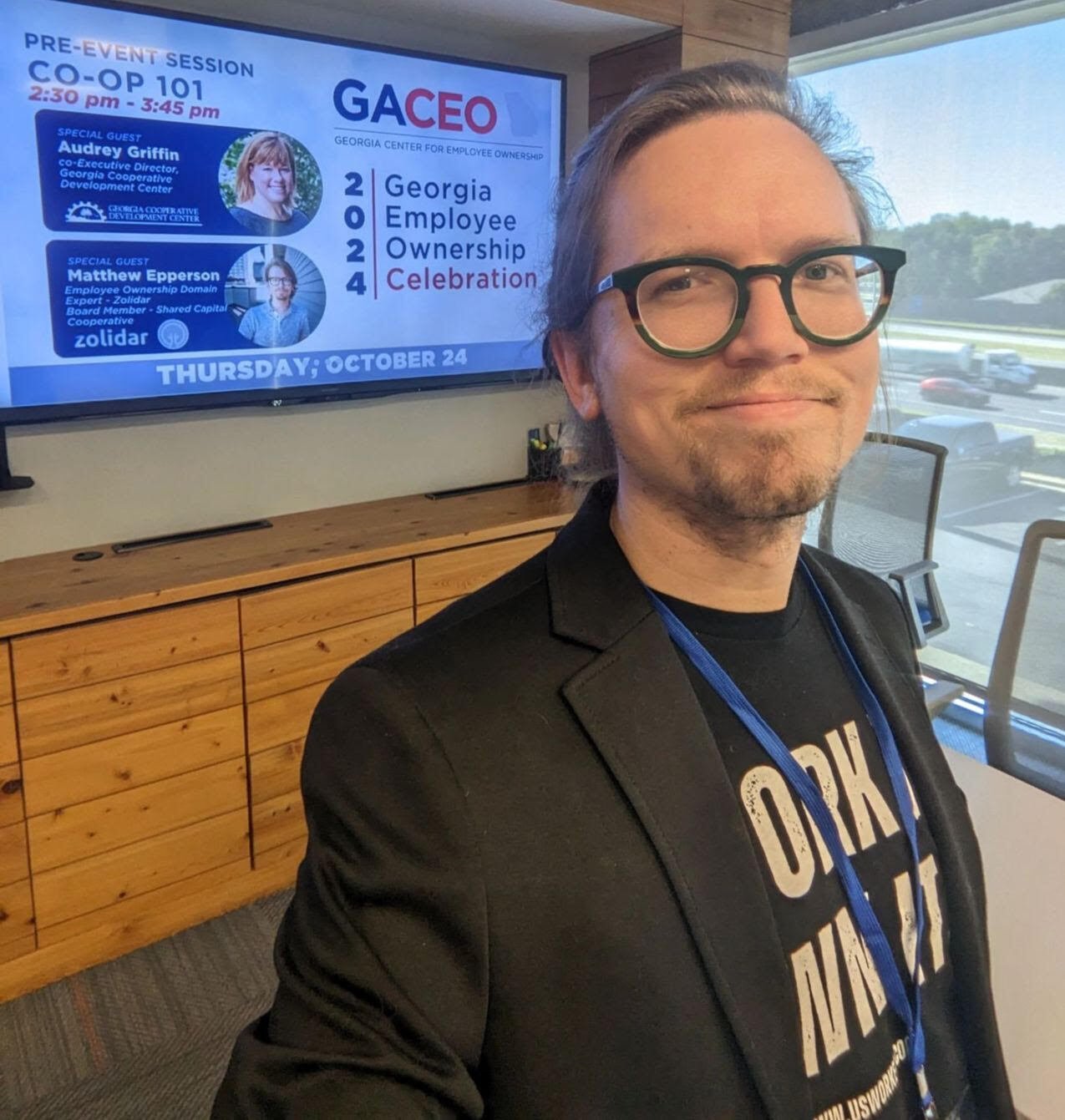 Matthew EppersonAthens (GA) Local Outreach Coordinator, Georgia Center for Employee Ownership
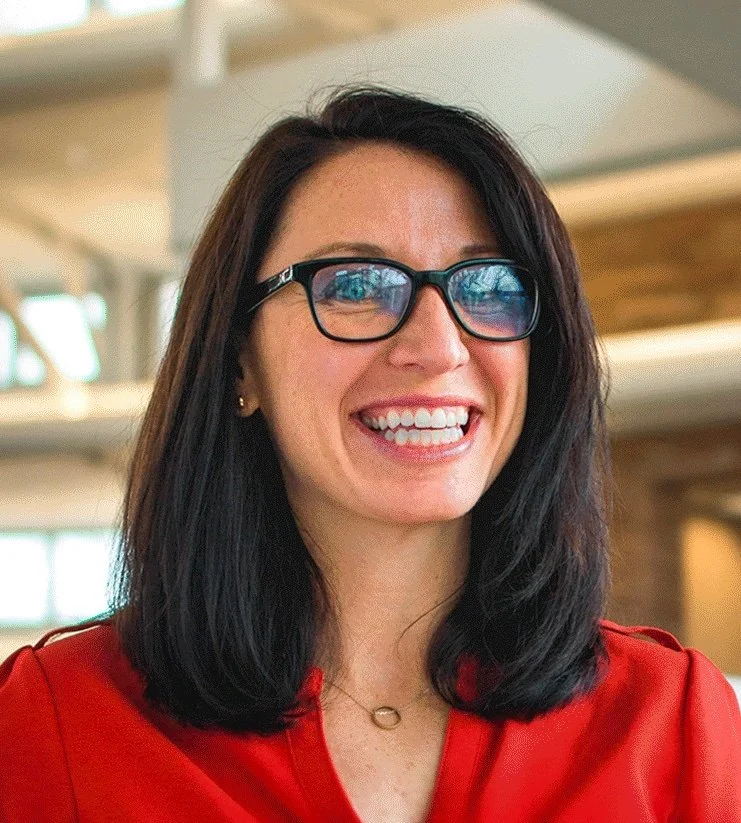 Andrea Steffes-TuttleFounder and Director, The Well Economy Lab
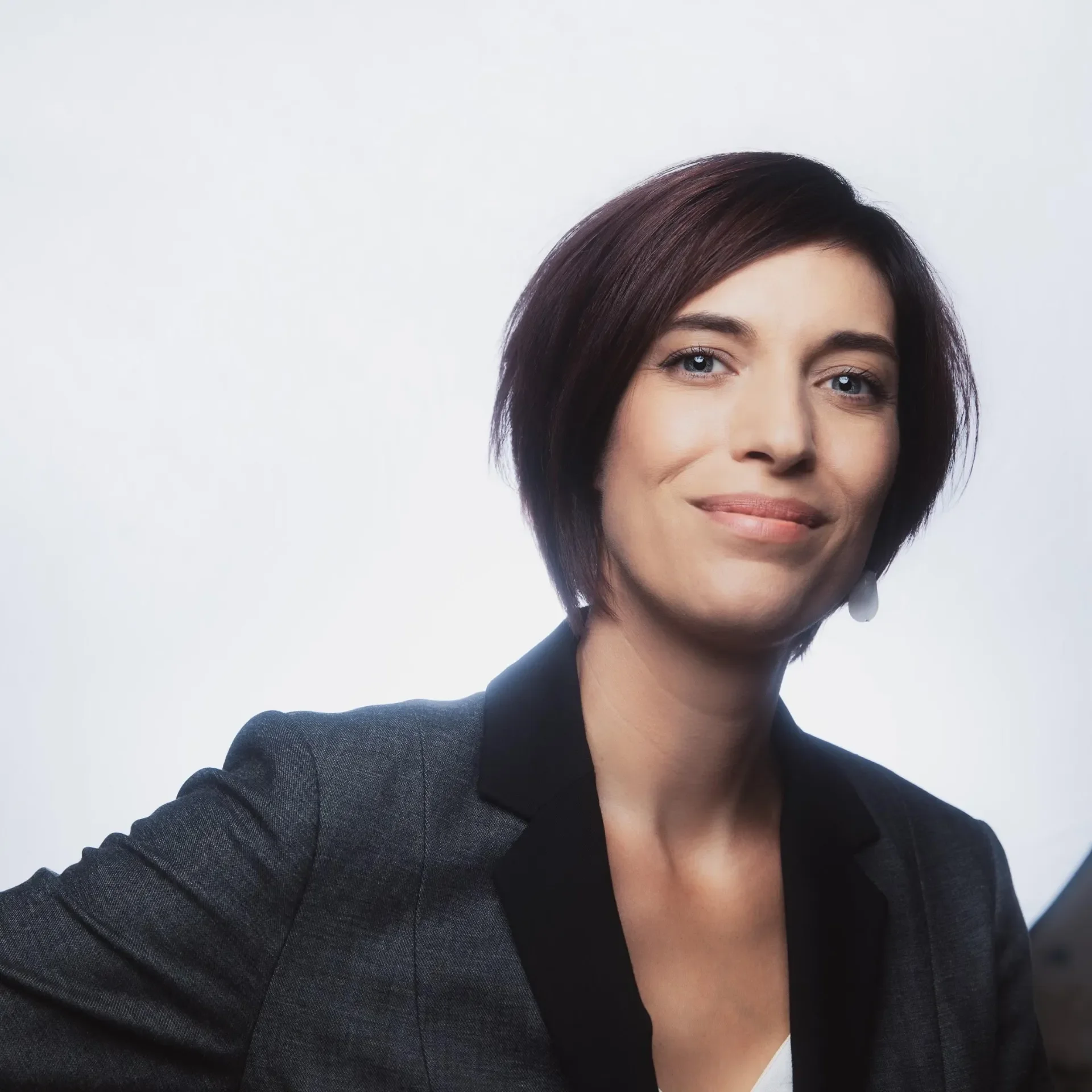 Rachel MerfalenExecutive Director, Tennessee Center for Employee Ownership; Job Quality Fellow, The Aspen Institute
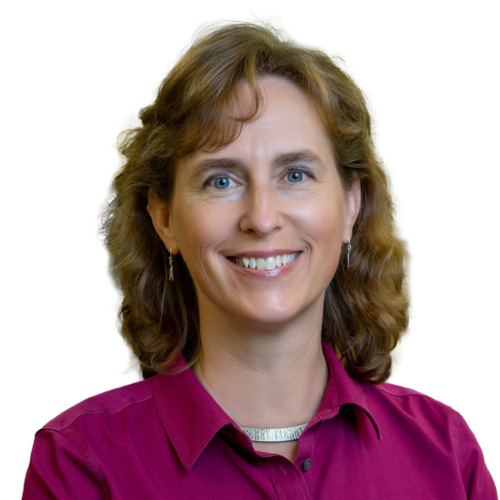 Illa BurbankExecutive Director, North Carolina Employee Ownership Center
12:05 – 12:50IdeasWho owns the energy transition?With Michelle Moore, Juan Dumas, Dr. Jens Lowitzsch
Community, tribal, ratepayer, and local-institution ownership of clean energy and grid infrastructure.
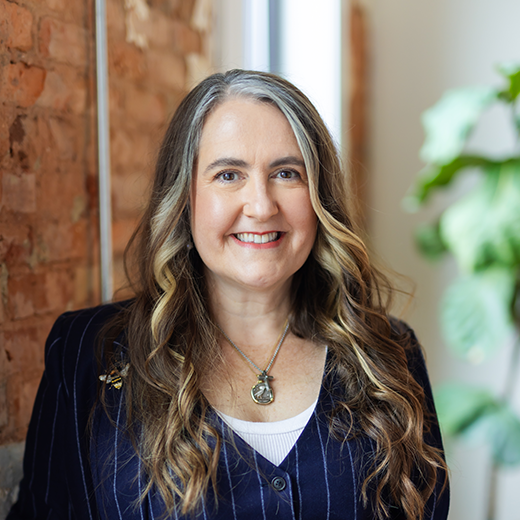 Michelle MooreCEO, Groundswell
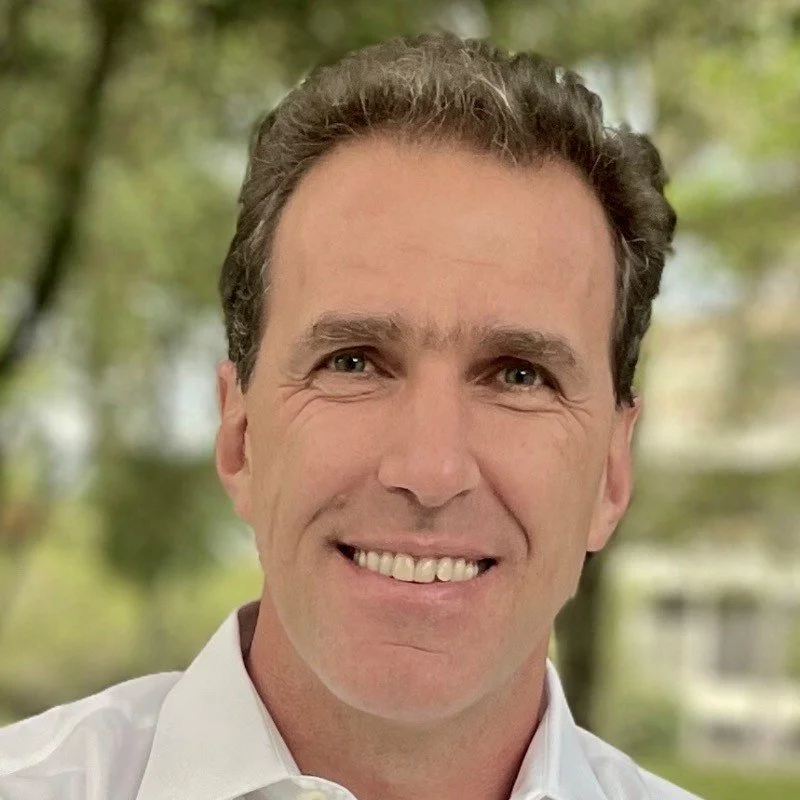 Juan DumasCo-Founder and Partner, MELIQUINA
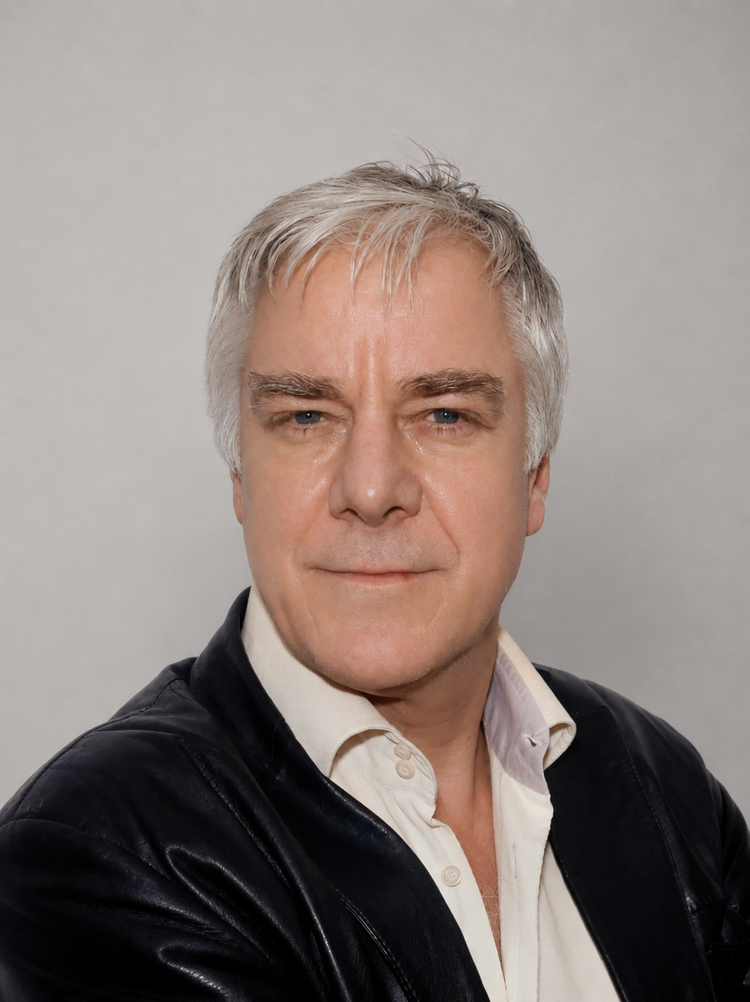 Dr. Jens LowitzschDirector, Kelso Institute Europe
Technique Track
11:15AM–1:00PM11:15 – 11:35TechniqueFrontiers in Ownership Investing: Building Human Agency in the Age of AIWith Delilah Rothenberg
As AI reshapes work, the central question for investors is not whether automation will create value, but who will own the gains. This panel explores how pro-worker AI, employee ownership, data rights, cooperative platforms, and shared-upside models can turn workers from displaced labor into active participants in productivity, governance, and wealth creation.
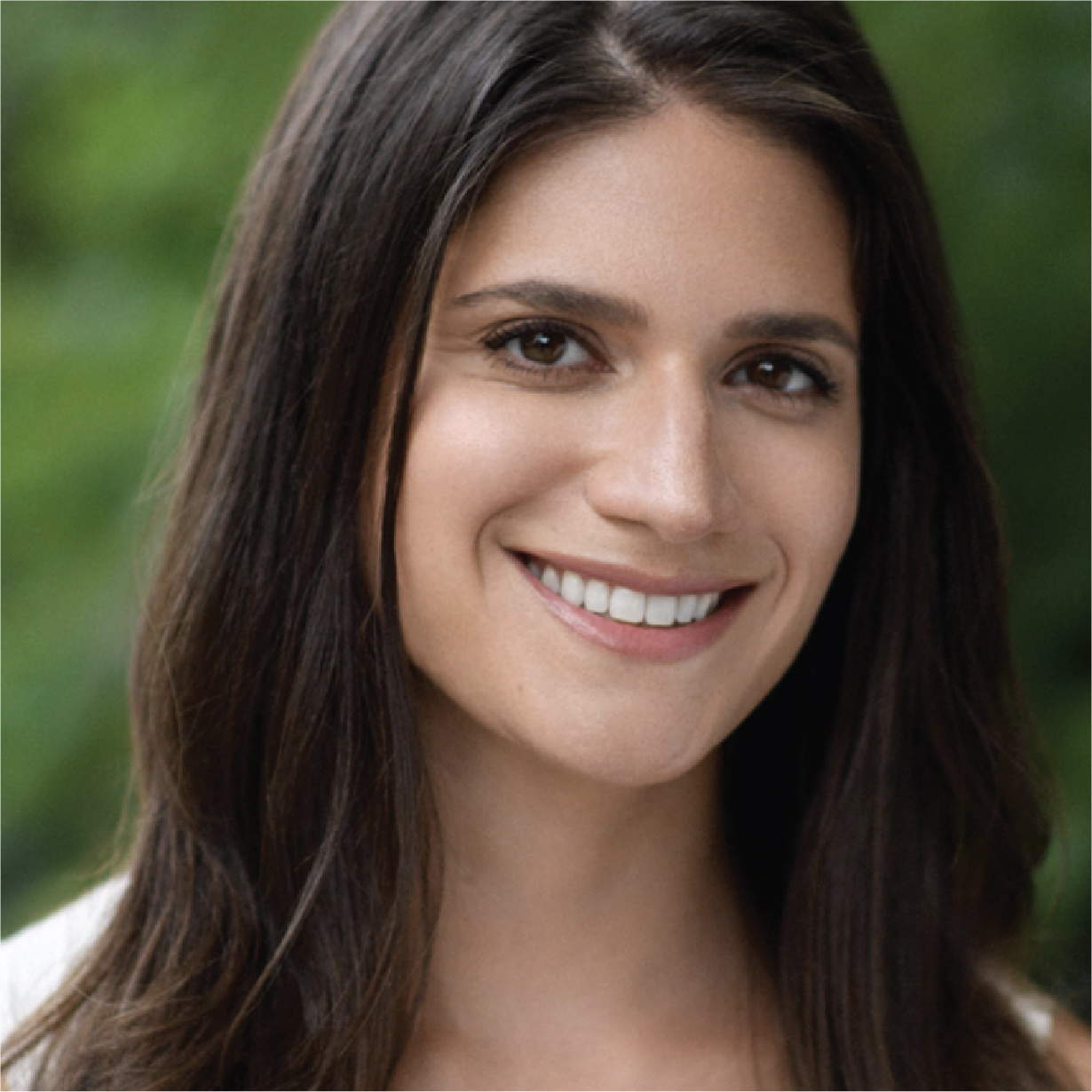 Delilah RothenbergCo-founder & Executive Director, Predistribution Initiative
11:35 – 11:55TechniqueManaging the Future of WorkWith William G. Bill Castellano
Unprecedented advances in technology and converging demographic trends are rapidly disrupting the workplace and economy. We are witnessing increasing productivity, yet many workers are not participating in this massive wealth creation resulting in increasing income and wealth inequality. I present research on the pressing need to help workers save for their long-term financial needs and the need for new social programs. One solution is to expand workers’ opportunities to participate in equity ownership. I highlight the research on various forms of employee ownership programs and policies that benefit business owners, companies, workers, and the communities they serve.
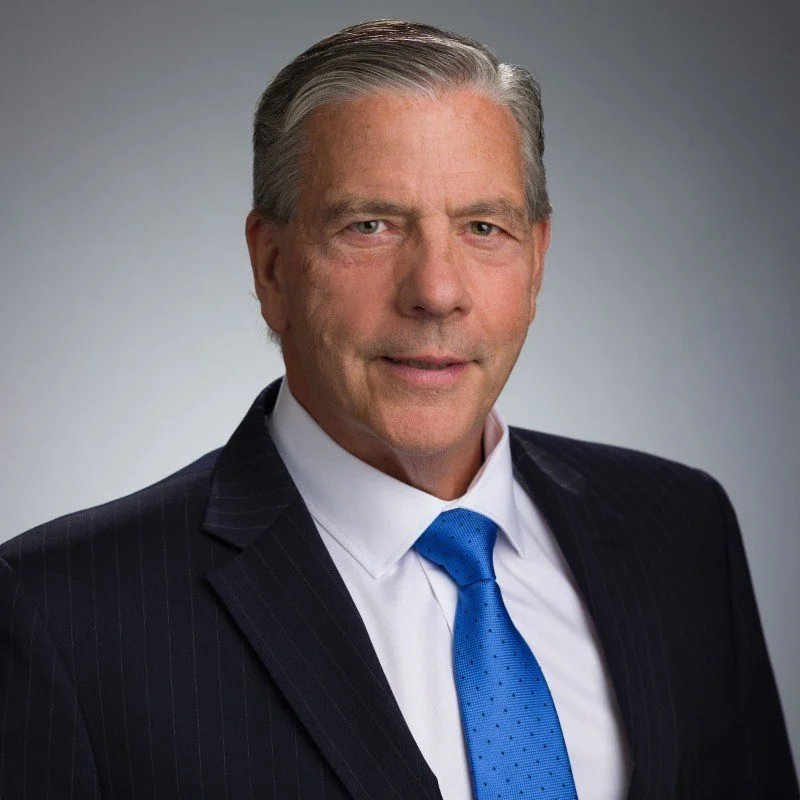 William G. Bill CastellanoProfessor of Human Resource Management and Director, Institute for the Study of Employee Ownership and Profit Sharing · Conference Moderator · Rutgers University
11:55 – 12:15TechniquePortable Security for the Ownership Economy: A New Social Contract for Independent WorkWith Steven Hill
As independent contracting, platform work, and multi-employer careers become increasingly common, workers need a safety net that moves with them. This session will explore the Individual Security Account, a portable benefits model in which every company that hires a worker—even for only a few hours—contributes a proportional amount beyond wages into an account the worker can use for healthcare, paid sick leave, retirement, Social Security, and unemployment protection. Cited by President Barack Obama in his 2016 State of the Union address and proposed in several state legislatures, this approach offers a practical framework for extending economic security, agency, and ownership to 1099 workers while ensuring that the businesses benefiting from their labor share responsibility for funding the social contract.
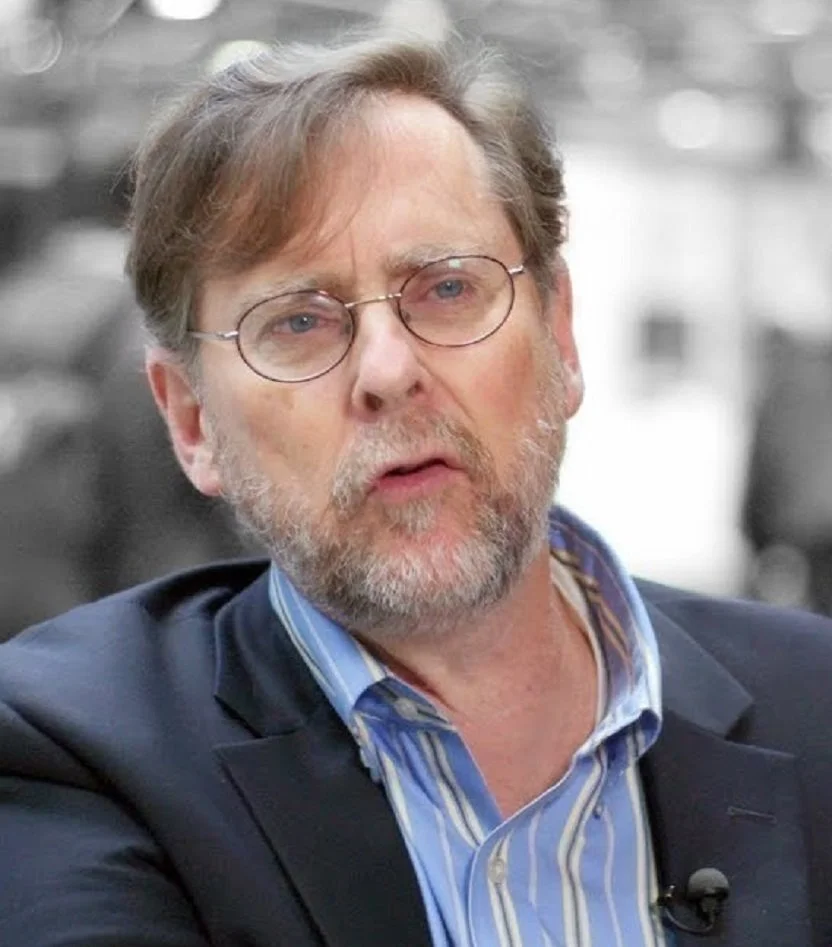 Steven HillPolicy Director and Journalist
12:15 – 12:35TechniqueFrom Labels to Shared Rails: Ownership as the Missing Layer in Trusted CommerceWith Elizabeth A. Bennett
Drawing on research into voluntary sustainability standards, employee ownership, and value-chain profit sharing, the session explores how certification, traceability, and market infrastructure could evolve to recognize not only whether a product is sustainable, but whether workers, suppliers, and producer communities share in the upside they help create.
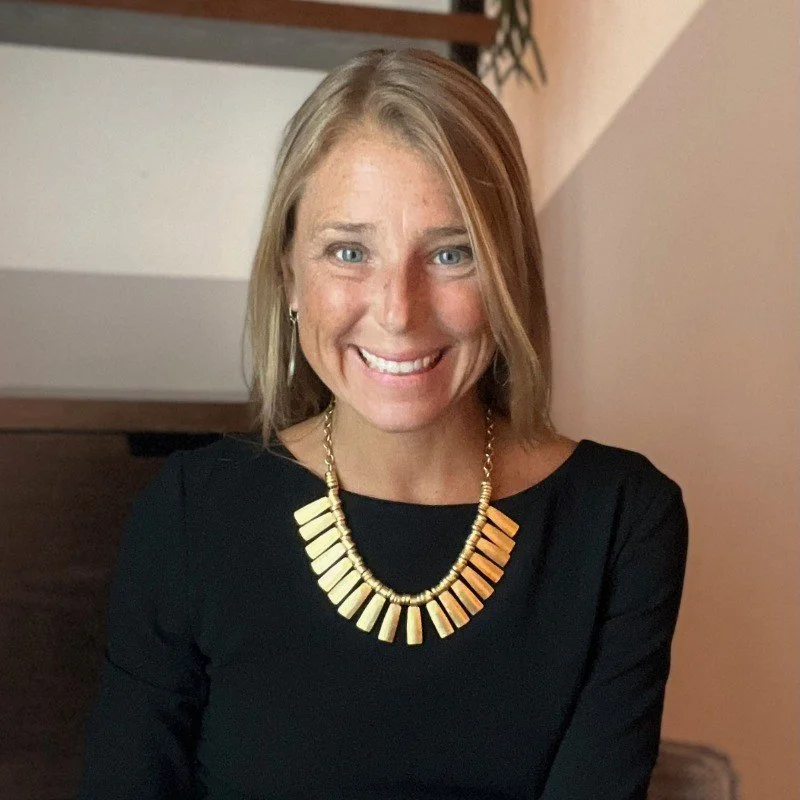 Elizabeth A. BennettProfessor of International Affairs and Director of Political Economy, Lewis & Clark College
12:35 – 12:55TechniqueThe Ownership Economy Certification - Update and ProgressWith Martin Smith
This session will provide an update on the Ownership Economy Certification and its effort to make ownership structures more transparent, verifiable, and meaningful to workers, investors, customers, and partners. The conversation will explore what should qualify as genuine shared or stakeholder ownership, what evidence organizations should be expected to provide, and how governance, accountability, economic participation, and worker voice can be assessed without reducing certification to a box-checking exercise.
Martin SmithCEO and Co-Founder of CommonShareHosted lunch tables
Curated table themes across founder transitions, finance, policy, energy, land, and housing.
Afternoon sessions — choose your track
Ideas and Technique sessions run simultaneously in Rooms A and B.
Ideas Track
2:00PM–4:30PM2:00 – 2:45IdeasOwning the Inputs to IntelligenceWith Carl Fredlund, Kevin McDonough, Jan Eeckhout, Asher Jay
Owning the Inputs to Intelligence explores how the data that trains, audits, and improves AI systems can be governed by the people, communities, and institutions that generate it. The conversation will examine new models for data rights, privacy-preserving computation, standards, and shared value creation in an AI economy built on collective inputs.
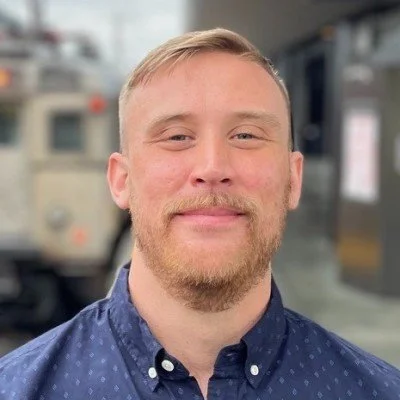 Carl FredlundStrategy Director, Mobility Data
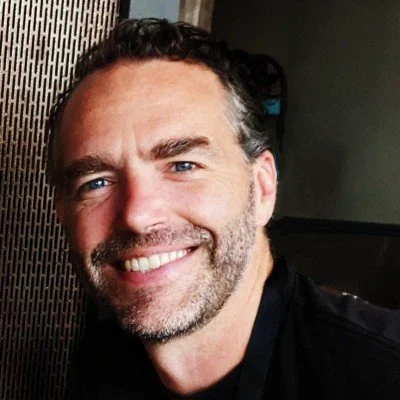 Kevin McDonoughHead of Engineering, OpenMined Foundation (also Fund Manager, Angel Investor, Board Member)
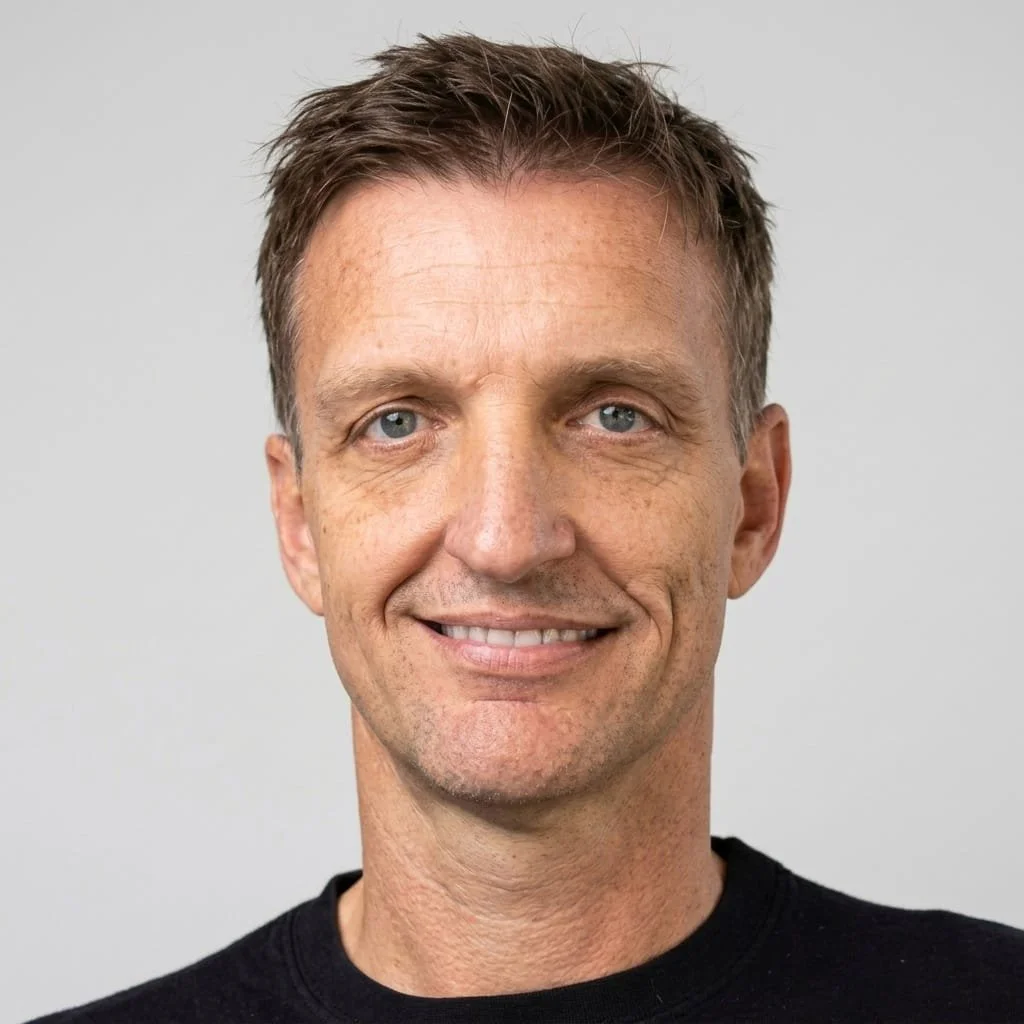 Jan EeckhoutPhD, London School of Economics
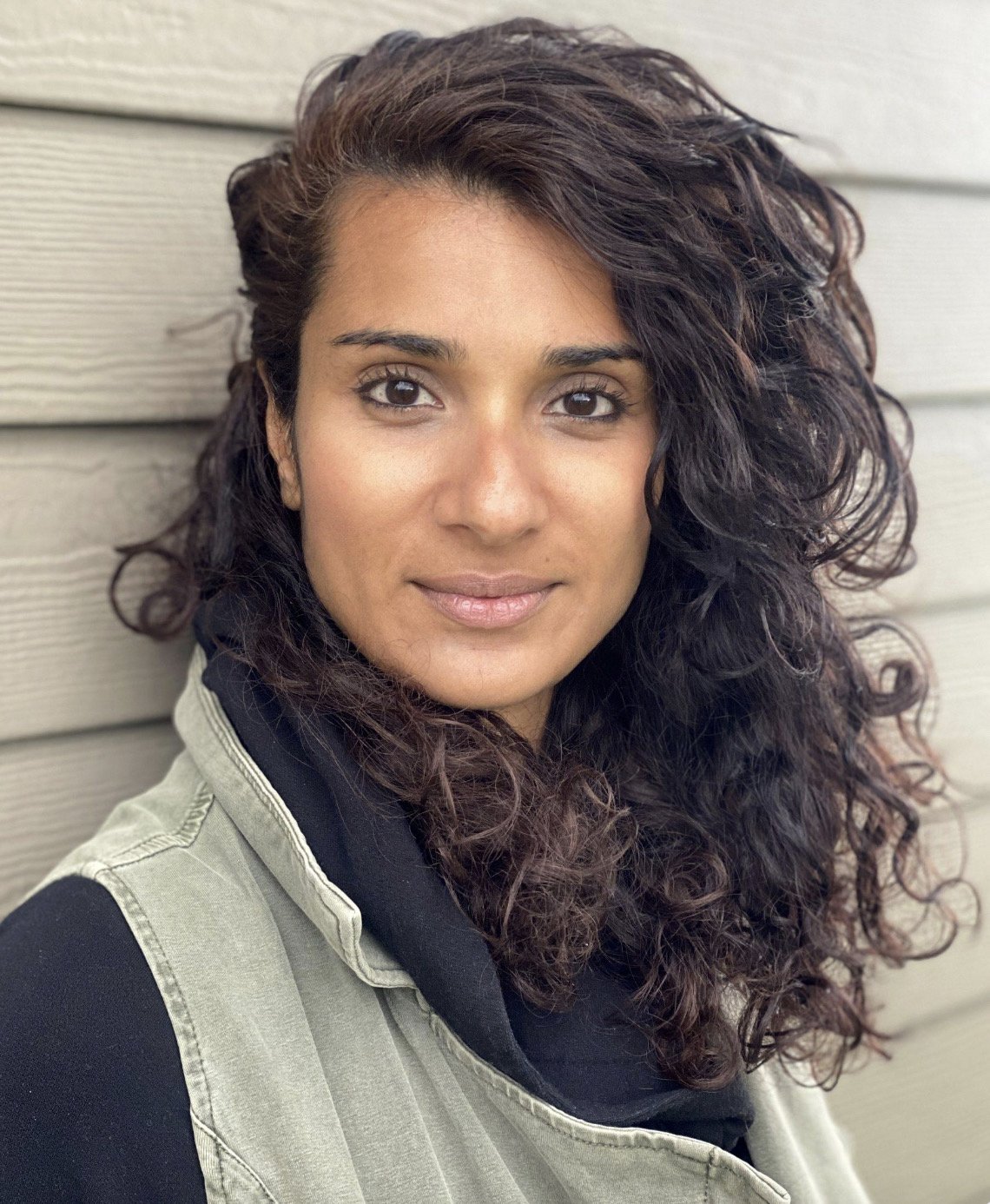 Asher JayChief Network Architect, Shareholder Democracy
2:50 – 3:30IdeasOwnership and Investment Innovation as a Solve for Market FailureWith Austin Robey, Brian Vo, Rebecca Kern
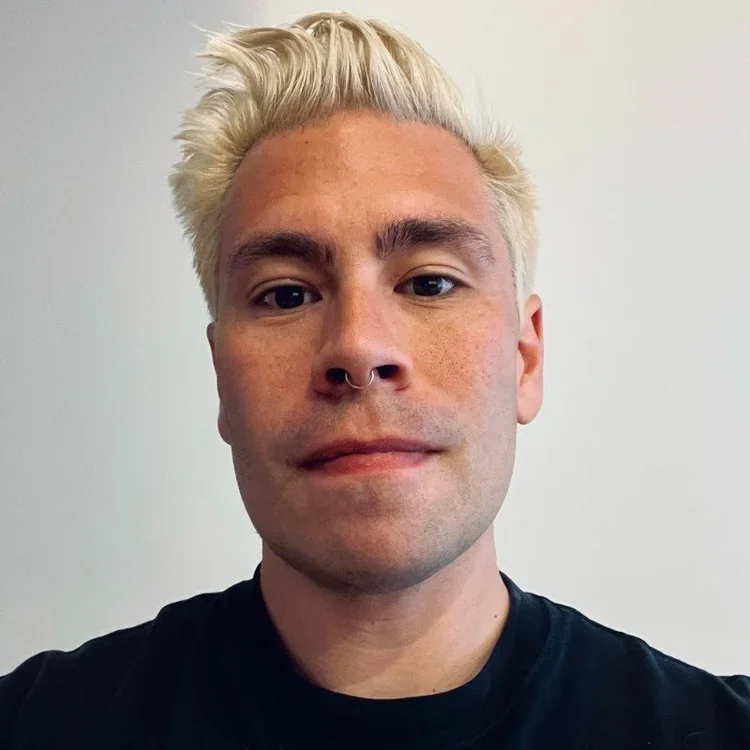 Austin RobeyFounder, Subvert
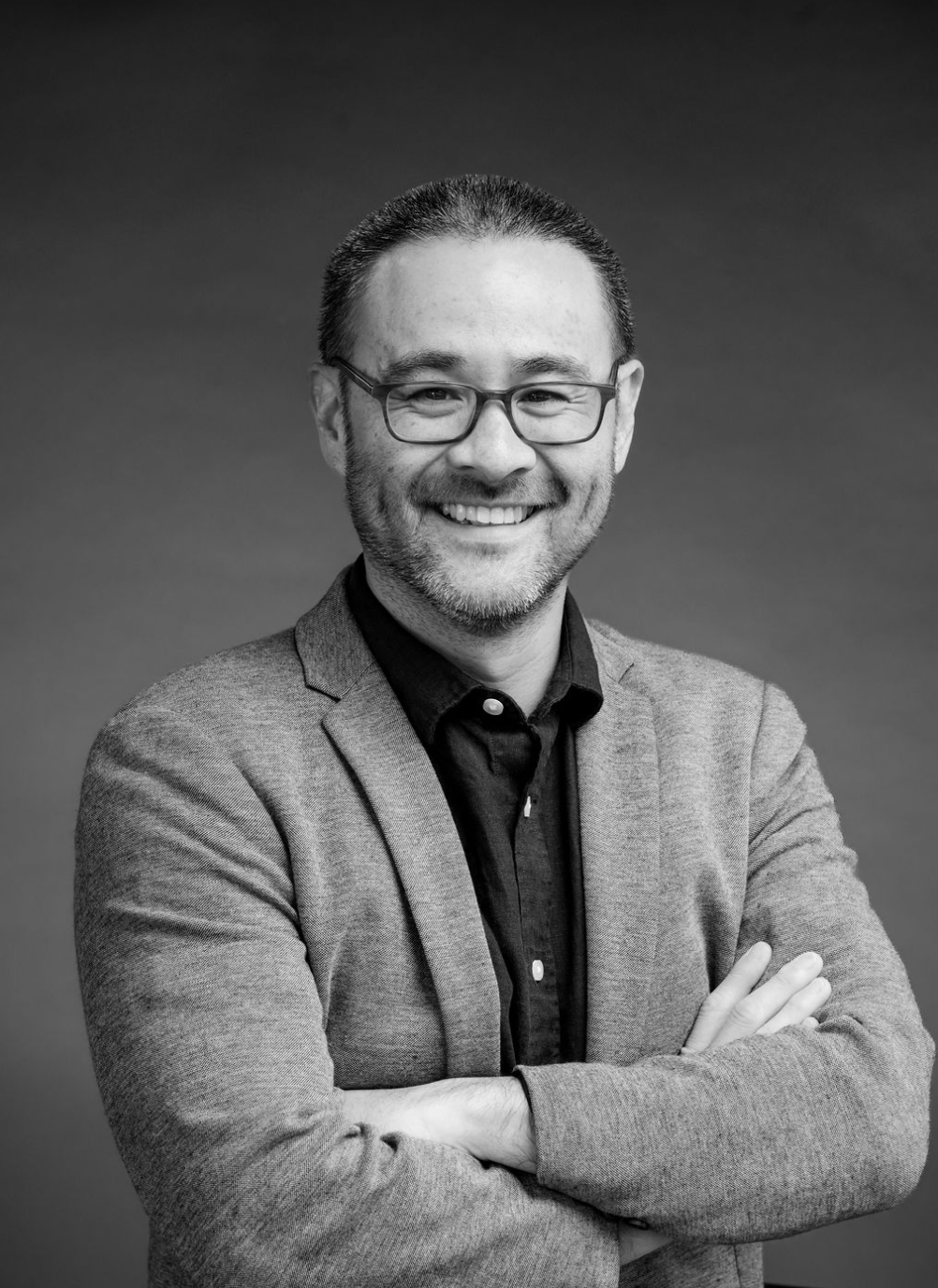 Brian VoCEO, Connect Humanity
 Rebecca KernDirector of Capital & Growth, Catch Together
3:35 – 4:05IdeasHousing commons, community ownership, and land stewardshipWith Sheila R. Foster, Adriana Abizadeh-Barbour, Roodgally Senatus
Community land trusts, resident ownership, cooperative real estate, and anti-speculative housing models.
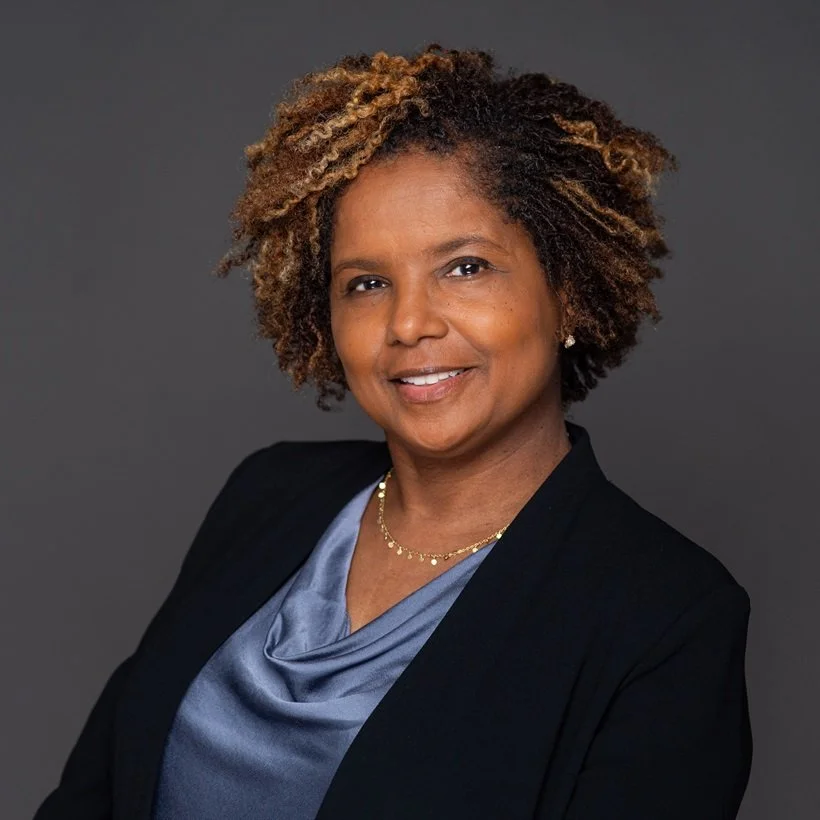 Sheila R. FosterProfessor, Columbia University's Climate School (also affiliated faculty, Columbia Law School)
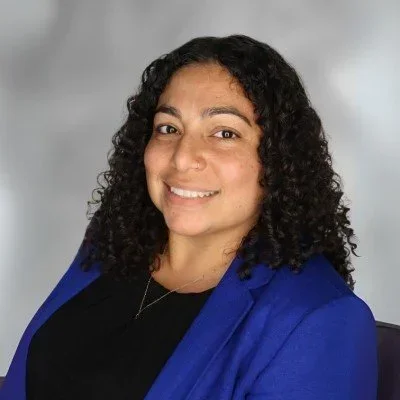 Adriana Abizadeh-BarbourExecutive Director, Kensington Corridor Trust
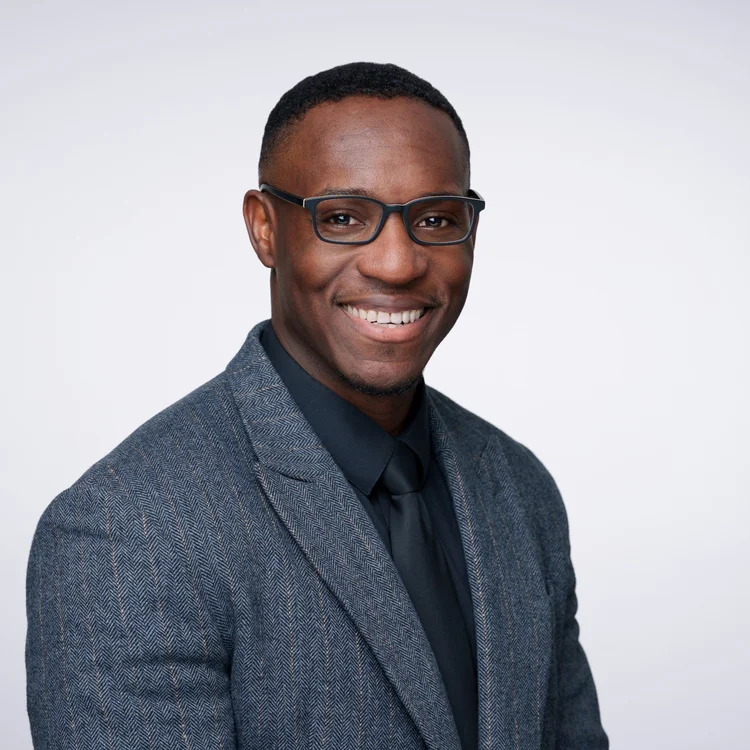 Roodgally SenatusSenior Reporter, ImpactAlpha
Technique Track
2:00PM–4:30PM2:00 – 2:40TechniqueOnchain coordination, programmable ownership, and internet-native governanceWith John Garry, Kevin Owocki, Jahed Momand
Legal, technical, and operating architectures for public goods, DAOs, protocols, and internet-native institutions.
 John GarryGeneral Partner, Garry Elevator
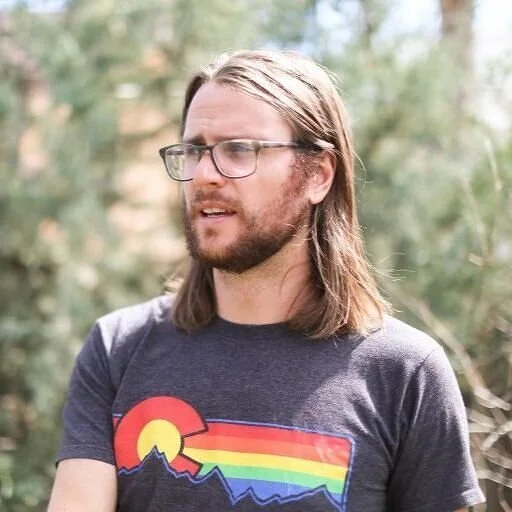 Kevin OwockiCo-founder of GitcoinJahed MomandCo-founder and General Partner, Cerulean Ventures
2:40 – 3:00TechniqueDesigning the Worker-Owned FutureWith Golda Velez
Earned governance and shared ownership can be baked into the startup toolkit. Task trackers drop equity, and AI slack agents enable participatory governance as part of the daily workflow in a fast-moving startup. Reports from the field. Open source kit available.
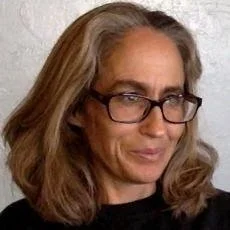 Golda VelezExecutive Advisor, LinkedTrust
3:00 – 3:20TechniqueWhat Workers Want: Lessons from the American Job Quality StudyWith Molly Blankenship
This session will explore the American Job Quality Study (AJQS), a landmark national study examining what makes a job truly work for employees, businesses, and communities. Drawing on insights from more than 18,000 U.S. workers, Molly will discuss the five core dimensions of job quality—financial well-being, workplace culture and safety, growth and development, agency and voice, and sustainable working conditions—and what the findings reveal about the experiences of today’s workforce. Participants will consider how these insights can inform practical strategies for creating higher-quality jobs, strengthening worker well-being, and improving organizational performance.
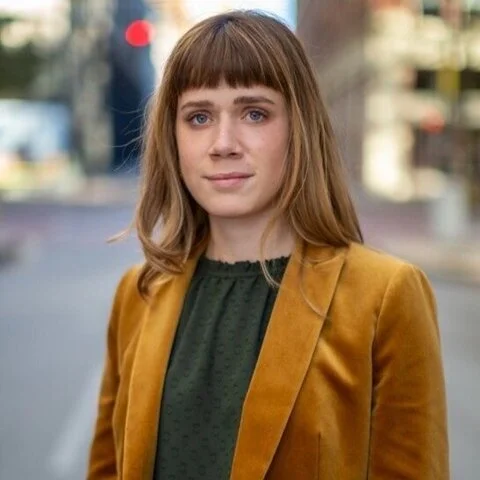 Molly BlankenshipAssociate Vice President, Jobs for the Future
3:20 – 3:40TechniqueThrough the LP Lens: Investing in the Ownership EconomyWith Caleb Ballou
This session will examine how a limited partner evaluates the growing ownership economy—from employee ownership and worker buyouts to community-centered and shared-wealth models. Caleb will unpack what LPs look for when assessing fund managers and investment strategies, including the strength of the investment and impact thesis, alignment between financial and ownership outcomes, evidence of benefits for workers and communities, governance, scalability, risk, and the role of catalytic capital. The conversation will offer a candid investor perspective on what makes ownership-focused strategies compelling, where the market still faces barriers, and what fund managers must demonstrate to attract and successfully deploy capital.
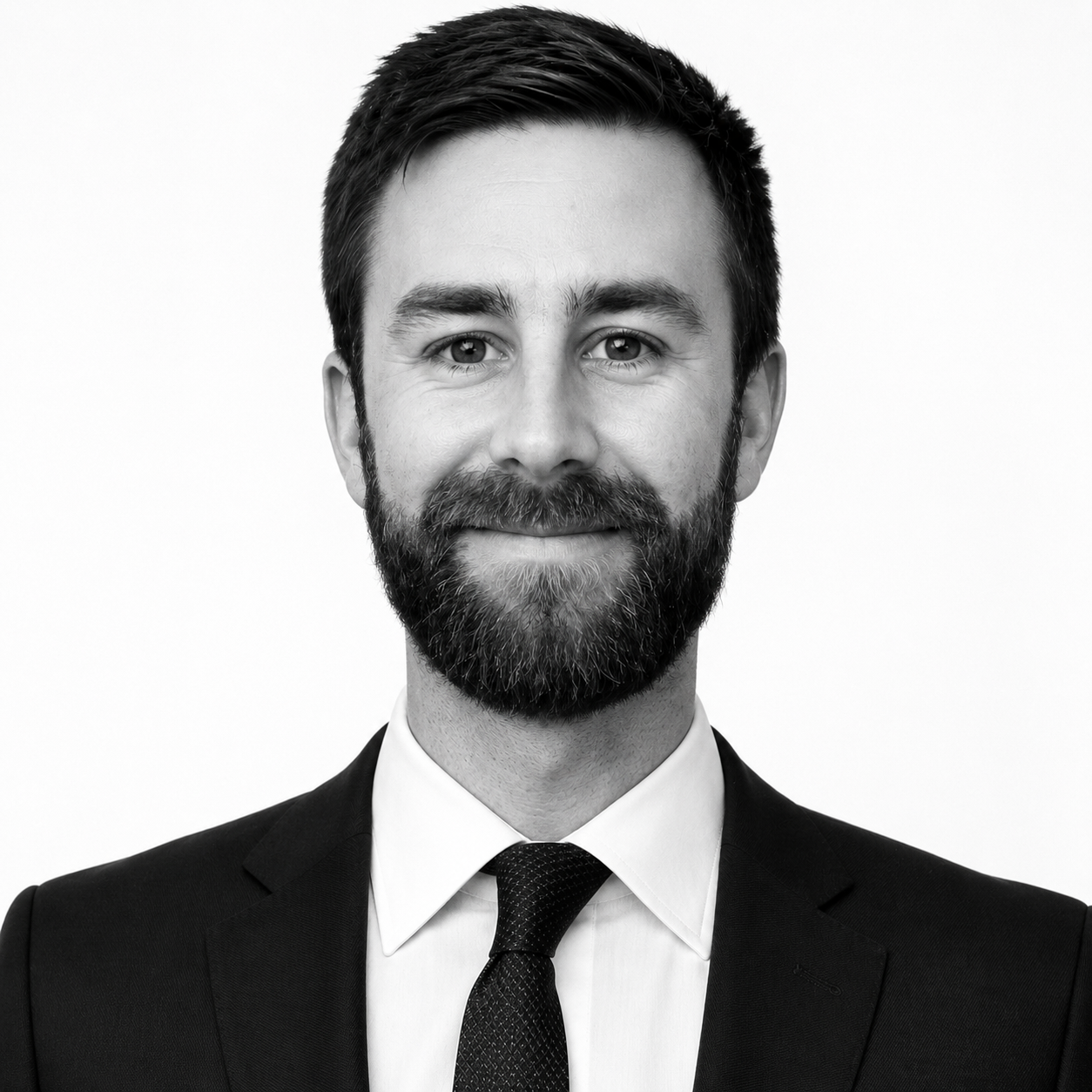 Caleb BallouCo-Founder, Trimtab Impact
3:40 – 4:20TechniqueState of the Field: What the Latest Research Tells Us About Employee OwnershipModerated by William G. Bill Castellano · With Trevor Young-Hyman, Jason Spicer, Jegoo Lee, Eric Hoyt
State of the Field: What the Latest Research Tells Us About Employee Ownership
William G. Bill CastellanoProfessor of Human Resource Management and Director, Institute for the Study of Employee Ownership and Profit Sharing · Conference Moderator · Rutgers University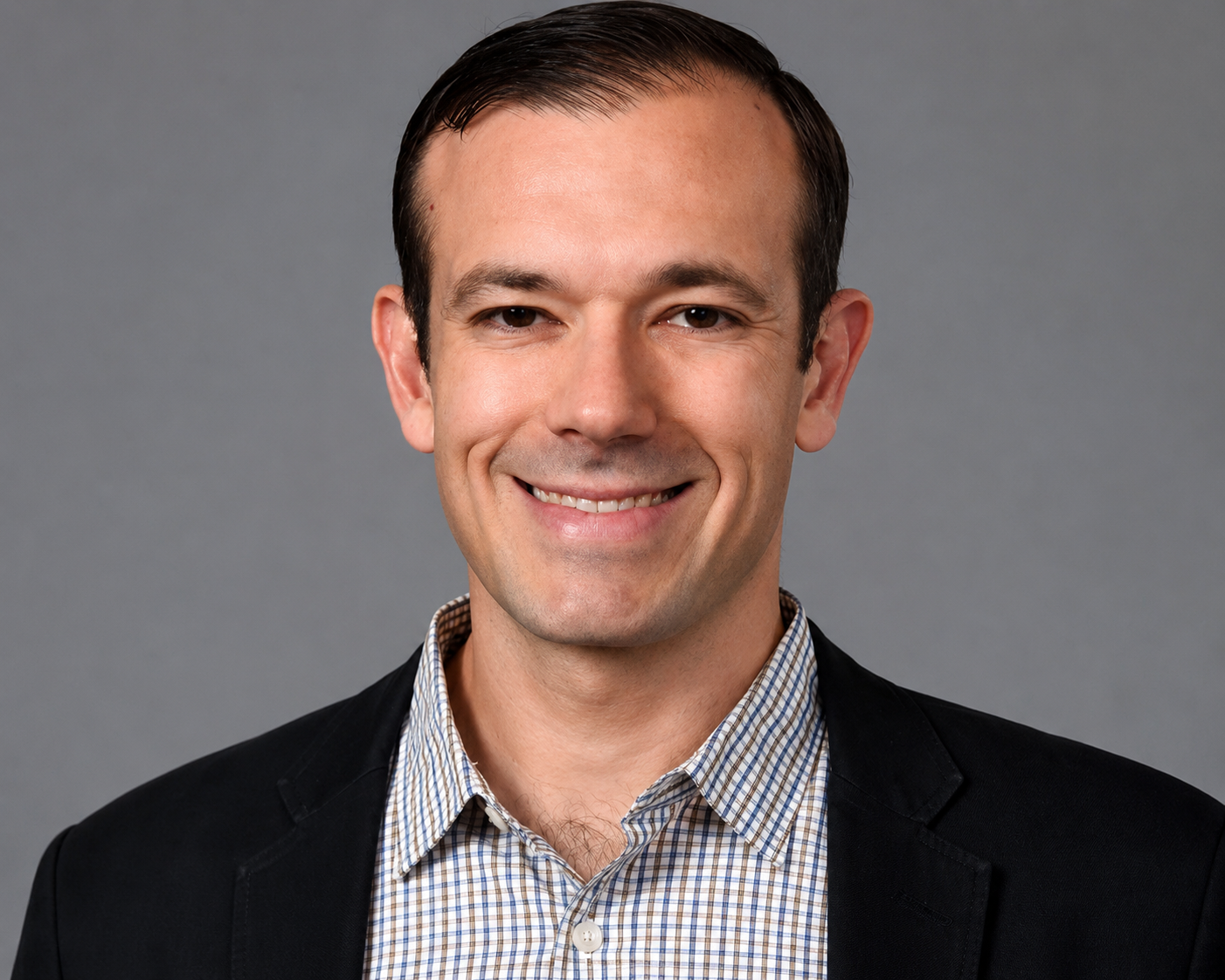 Trevor Young-HymanAssistant Professor of Business Administration and Sociology
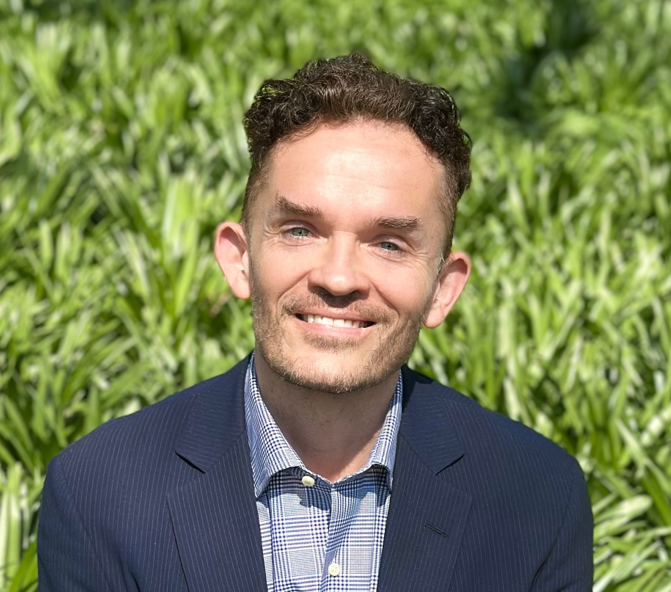 Jason SpicerAssociate Professor, Marxe School of Public and International Affairs · Baruch College, CUNY
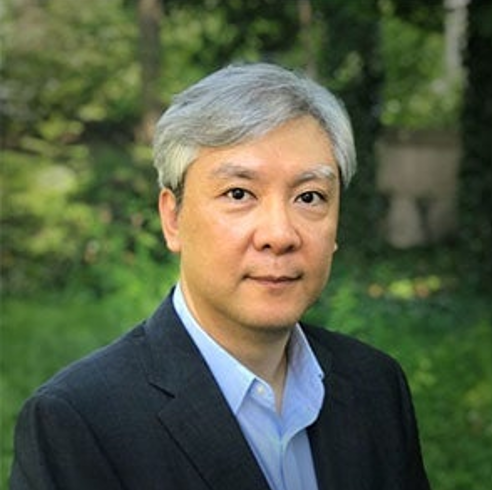 Jegoo LeeAssociate Professor of Management, College of Business · University of Rhode Island
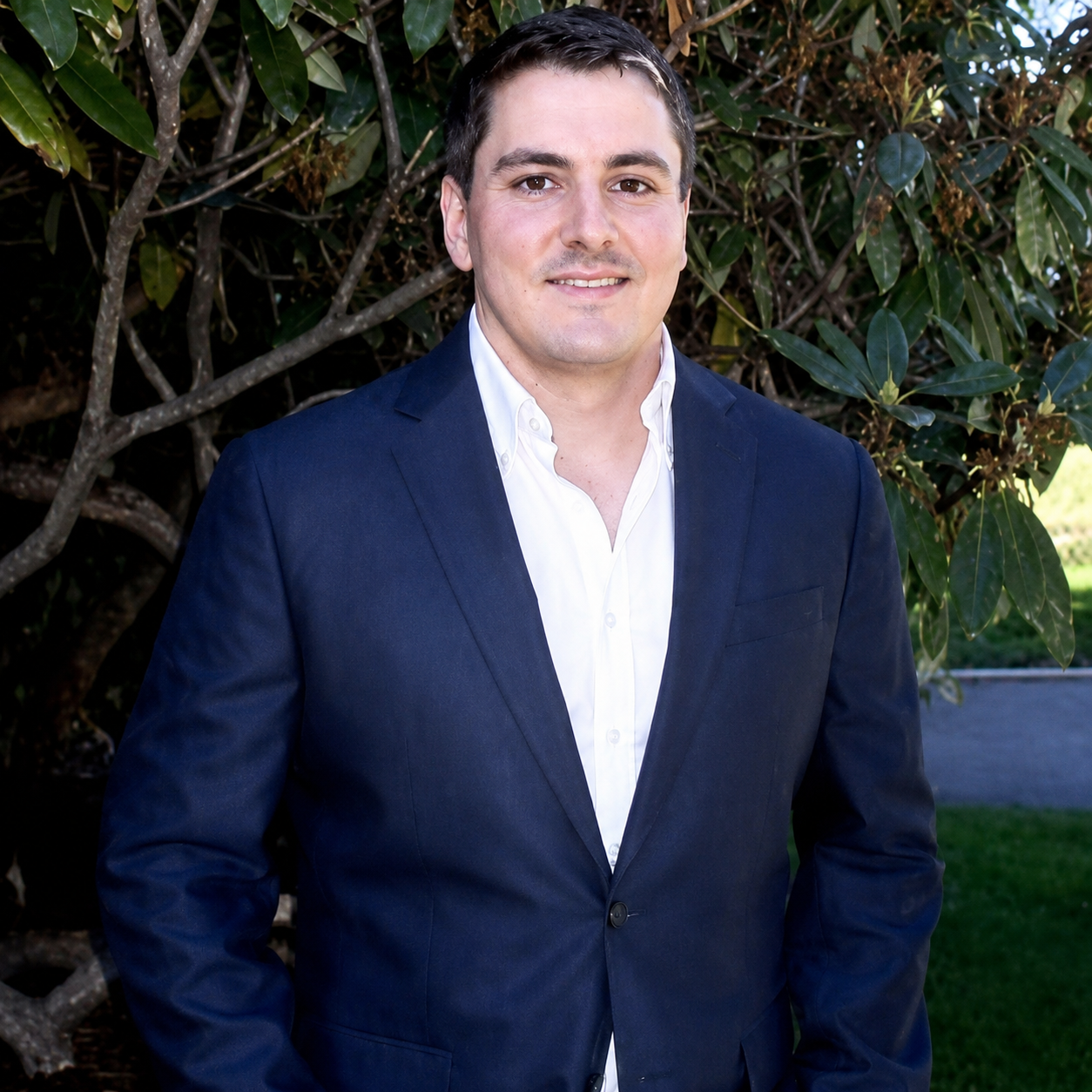 Eric HoytAssistant Professor of Economics, University of Rhode Island
Building the Next Layer of the Ownership Stack
This closing plenary will bring together the event’s key insights to examine what is still needed to build a stronger, more accessible ownership economy. Moving from individual models to the broader “ownership stack,” the conversation will consider how capital, policy, research, technical assistance, worker voice, leadership, and market infrastructure must work together to support ownership transitions and long-term success. Speakers will reflect on where the field has made meaningful progress, where persistent gaps continue to limit scale and participation, and what funders, investors, practitioners, policymakers, researchers, and business leaders must do next. The session will conclude with a forward-looking discussion about the partnerships, commitments, and shared priorities required to move employee and community ownership from promising practice to a durable and widely available part of the economy.
 Thom TownsendExecutive Director, Open Ownership
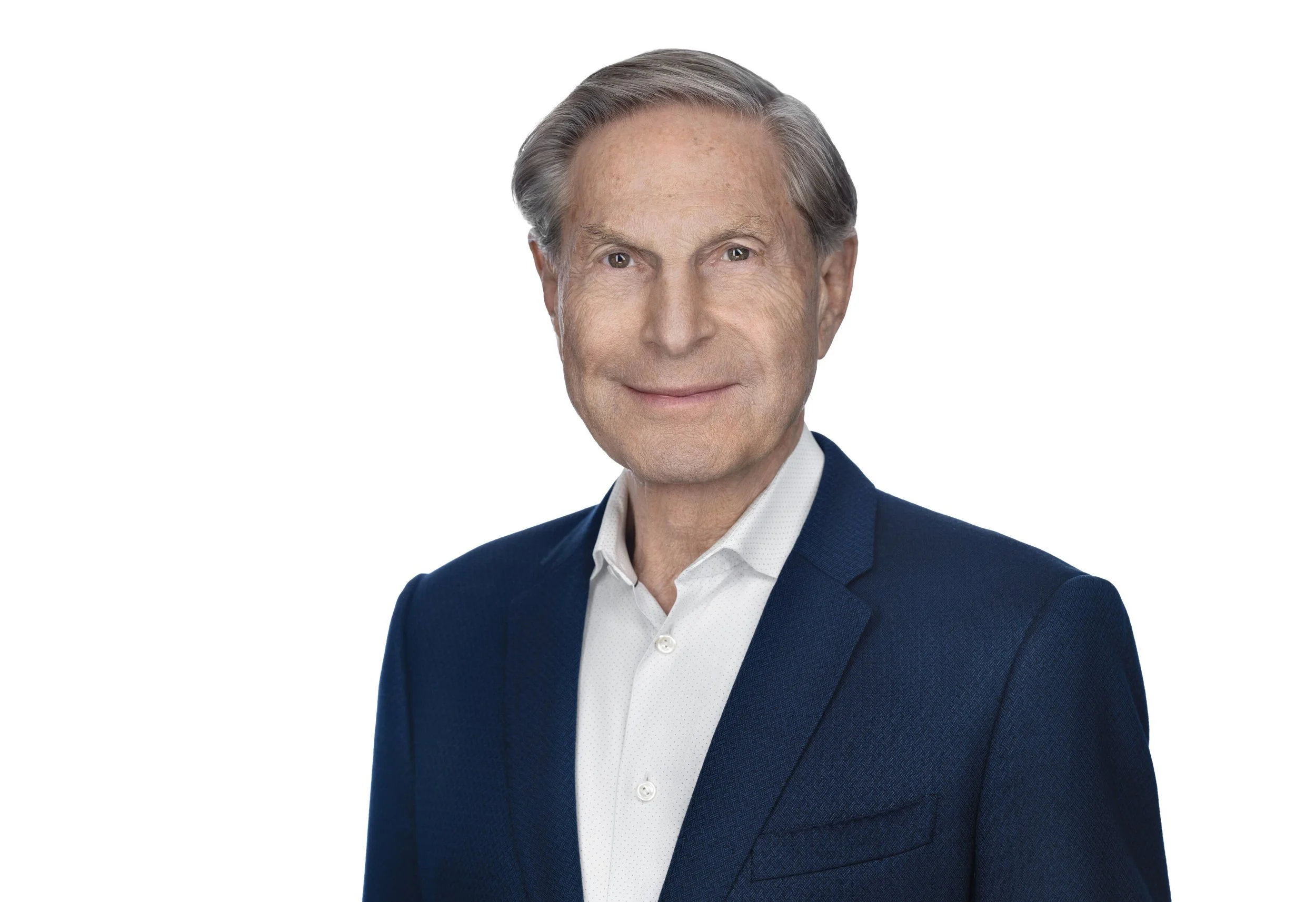 Howard BrodskyCo-Founder and Chairman, CCA Global
Closing reception
Optional Networking Dinners
Who should be in the room
This is a curated room for people building, funding, regulating, or researching new ownership models in North America.
- Founders and operators exploring mission-preserving exits or new governance models
- Allocators, family offices, asset managers, and catalytic capital providers
- Policymakers, public-sector leaders, and ecosystem builders
- Technologists working on shared rails, public goods, and programmable coordination
- Practitioners in housing, energy, health, finance, and worker ownership